Everything else
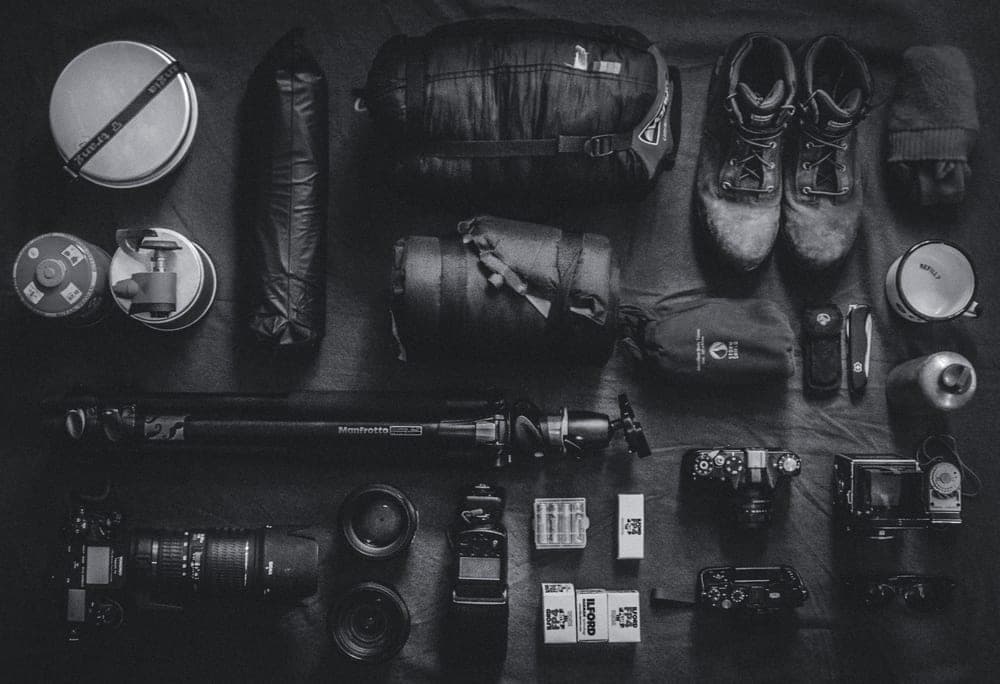
Disc golf bags, carts, baskets and shoes
The gear that is not a disc — chosen by what you actually carry, where you actually play, and how much you actually practice.
Hyzer & Chain is reader-funded. We earn a commission when you buy through a link here, at no extra cost to you. Picks come from published manufacturer specs and current retailer availability, never from who pays most — here is how we pick.
Buy a bag for the discs you own, not the discs you want
Bag capacity is the one spec people consistently over-buy. A 30-disc tournament pack carried half empty is heavier, more expensive and less comfortable than a 20-disc bag that is full. Work out how many discs you actually took out last time, add a few, and buy for that.
The genuinely important feature at the low end is two straps rather than one. A sling bag is fine for a starter set over nine holes and tiring over eighteen on hills. Above that, the features worth paying for are a chest strap (which stops a full load swinging), a cooler compartment if you play long summer rounds, and a rainfly that actually fits your bag rather than a generic cover.
Our main bag picks cover the range, with dedicated pages for bags under $100, bags with coolers and travel bags.
Carts: a terrain decision, not a budget one
Whether a cart is an upgrade or a mistake is decided almost entirely by the courses you play. On flat, groomed park layouts a cart is straightforwardly better: the load comes off your shoulders, and the frame gives you somewhere to sit at every tee, which changes how a four-hour round feels. On steep, heavily wooded courses with stairs and root systems, the same cart is extra work on every hole.
The second decision is whether to buy an integrated cart or a frame that carries the bag you already own. If you like your bag, a frame is cheaper and preserves the organization you are used to. Our cart picks, carts with seats and cart buying guide cover both routes.
A practice basket is the best value purchase in the sport
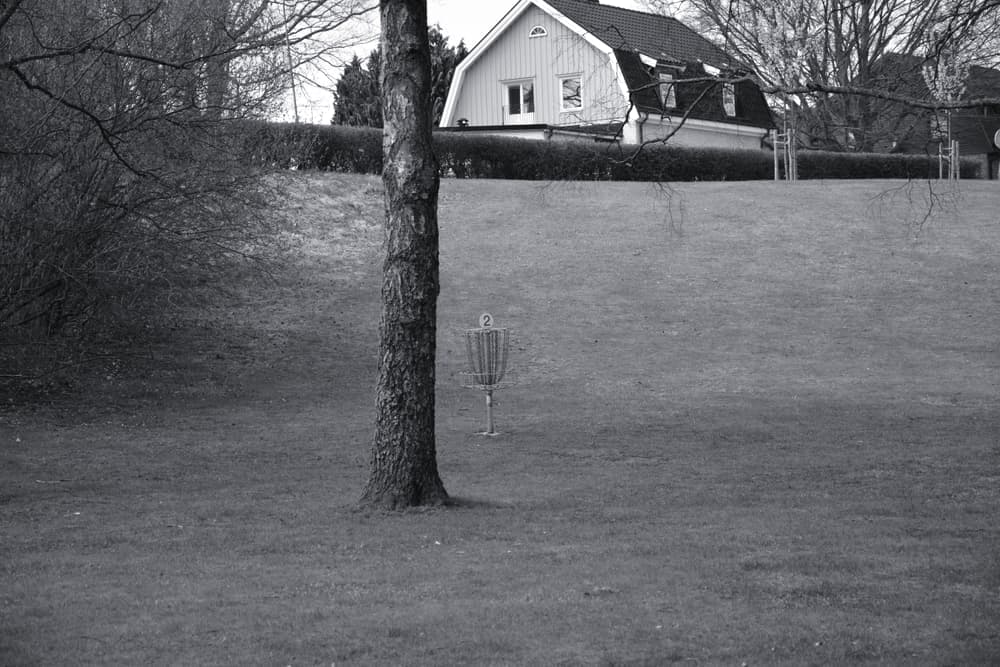
Putting is the only part of disc golf you can meaningfully practice in a garden, and it is where amateur players lose the most strokes. A basket at home turns dead time into practice time, and that is a bigger scoring improvement than any driver.
The spec that matters is how the target catches a firm putt. A lightweight portable basket flexes and spits out putts a course basket would hold, which teaches you to putt softly — exactly the wrong habit. If you putt hard, buy a heavier basket. If you want a target you can carry to a field, accept the trade knowingly.
See practice baskets, backyard baskets, portable baskets and budget baskets.
Shoes: there is barely a disc golf shoe market, and that is fine
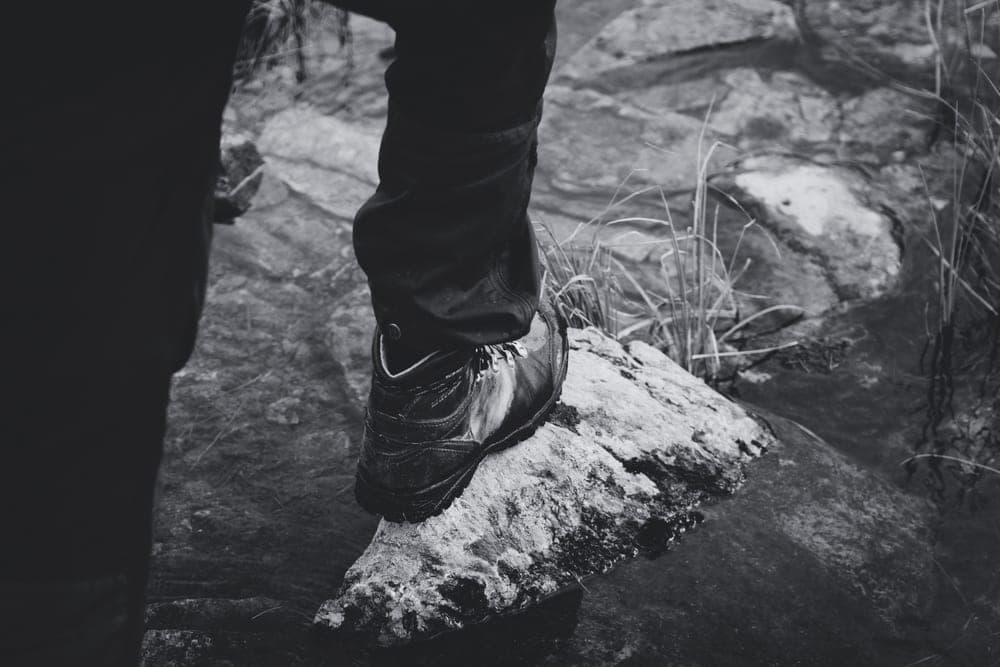
Almost nobody makes a disc-golf-specific shoe, so the honest answer is a hiking shoe or a trail runner. What disc golf asks of a shoe is specific: lateral stability for the plant foot during a run-up, a toe that survives being dragged on every follow-through, and grip appropriate to the ground you play on.
Deep aggressive lugs are superb on wet grass and mud and actively worse on dry hard-pack, where they reduce contact area. Waterproof membranes are the right call for early-morning and winter rounds and uncomfortably hot in July. There is no single correct shoe, which is why we split the recommendations by condition: the main picks, wide feet, toe drag, wet courses, women and winter.
Every page in gear
Picks
Best Disc Golf Bags Under $100
Four budget bags that get the important things right, and the features worth skipping.
Picks
Best Disc Golf Bags With a Cooler
Three bags and a cart pouch with insulated storage, and whether you need one.
Picks
Best Disc Golf Bags for Travel
Four bags for traveling with discs, plus how to pack them for a flight.
Head to head
Disc Golf Backpack vs Sling Bag
The honest crossover point between a sling and a backpack, and what each gives up.

Picks
Best Disc Golf Carts With a Seat
Four carts with usable seats, and the cushion that makes any of them bearable.
Picks
Best Disc Golf Cart Accessories
Six cart add-ons ranked by how much they actually improve a round.
Head to head
Disc Golf Cart Buying Guide
The three cart types compared on terrain, capacity and cost, with current models.
Picks
Best Disc Golf Practice Baskets
Five baskets compared on how reliably they catch a firm putt, by use case.
Picks
Best Backyard Disc Golf Baskets
Four baskets built to live outdoors through a year of weather, with install advice.
Picks
Best Portable Disc Golf Practice Baskets
Four portable targets compared, and the honest cost of folding a basket down.
Picks
Best Budget Disc Golf Baskets
Four budget targets compared on catch quality, and the compromise worth refusing.
Picks
Best Disc Golf Shoes
Five hiking shoes and trail runners judged on what disc golf actually demands.
Picks
Best Disc Golf Shoes for Wide Feet
Four genuine wide fittings, and why width matters more in disc golf than in walking.
Picks
Best Disc Golf Shoes for Toe Drag
Four reinforced-toe shoes, plus how to make any pair survive toe drag.
Picks
Best Disc Golf Shoes for Wet Courses
Four shoes for wet grass and mud, separating the grip problem from the dry-feet problem.
Picks
Best Disc Golf Shoes for Women
Four options built on a women's last, and when a men's shoe fits better anyway.
Picks
Best Disc Golf Shoes for Winter
Four winter options, in priority order, plus what matters more than the shoe.
Common questions
How many discs should a disc golf bag hold?
Buy for what you actually carry. A beginner needs 8 to 10 slots, an intermediate player around 20, and a tournament player 25 to 30 because duplicates matter more than variety.
Is a disc golf cart worth it?
On flat, groomed park courses, yes — it removes the load and gives you a seat. On steep or heavily wooded courses it is extra work on every hole. The decision is about terrain, not budget.
What should I look for in a practice basket?
How reliably it catches a firm putt. Lightweight portable baskets flex and spit out putts a course basket would hold, which trains a softer stroke than you want.
What shoes are best for disc golf?
A hiking shoe or trail runner with good lateral support and a reinforced toe. Deep lugs suit wet and muddy ground; flatter soles are better on dry hard-pack.